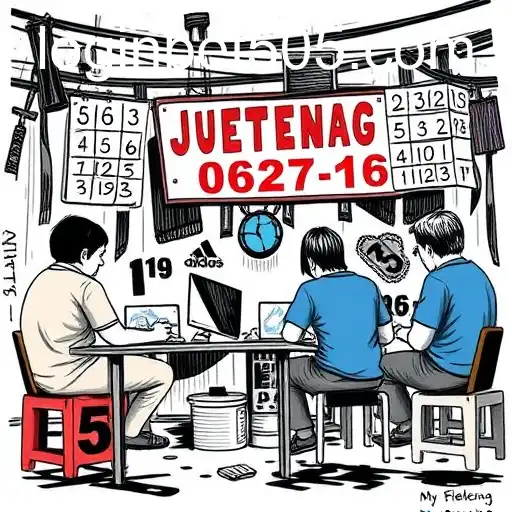
The Persisting Phenomenon of Jueteng in the Philippines
For decades, the illegal numbers game known as jueteng has been a part of the socio-economic fabric in various parts of the Philippines. Despite numerous governmental efforts to curb its prevalence, jueteng continues to thrive due to its deep roots in local communities and alleged ties to political figures and law enforcement agencies.
The Origin and Mechanisms of Jueteng
Originating during the Spanish colonial era, jueteng has evolved into a gambling practice that transcends economic classes but is most prevalent among the underprivileged. The game typically involves betting on a combination of numbers, with results drawn twice daily. The winning numbers are often determined through methods that imply fairness, such as drawing numbers from a pot.
Local individuals, known as "cobradores," are responsible for collecting bets from players, who may wager small amounts of money in the hopes of winning a significantly larger sum. The accessibility and simplicity of the game make it particularly appealing to a population seeking financial relief.
The Role of Technology
While jueteng traditionally operated without modern conveniences, the rise of technology has indirectly influenced the game. Online platforms, like bet505 PH Login, have become associated with legitimate gambling operations in the country, providing opportunities for safer and legal betting options. This technological evolution presents both a challenge and an opportunity in the effort to combat jueteng.
The Social Implications of Jueteng
Despite its illegal status, jueteng holds cultural significance in many communities. Families often see it as a form of entertainment akin to a community activity. The game fosters communal bonds and serves as a topic of conversation and shared interest. However, the dangers of jueteng are evident through its contribution to financial difficulties for players who become dependent on sporadic winnings.
Critics of jueteng highlight how the system exploits vulnerable individuals, siphoning away earnings that might otherwise be used for essential needs. The government’s struggle to provide adequate socioeconomic support to impoverished areas inadvertently fuels the persistence of this practice.
Political and Economic Dimensions
Jueteng is not without its political angle. Historically, political figures have either been accused of receiving money from jueteng lords, tacitly allowing its operation, or explicitly utilizing its funds as part of campaign strategies. The revenue generated from jueteng is rumored to be substantial, incentivizing certain sectors to maintain the status quo.
The economic impact of jueteng is multifaceted. While on one hand, it generates significant revenue, albeit through illegal means, it also creates a shadow economy that circumvents taxation. This loss in potential tax revenues could otherwise be funneled into public services that might mitigate poverty.
Efforts in Legalization and Regulation
There have been discussions regarding the legalization and regulation of jueteng to curtail its illegal operation and capture the taxes generated, similar to the operation of legal numbers games run by the government. However, such propositions meet opposition, particularly from sectors wary of normalizing an activity with historical ties to corruption.
The Path Forward
Efforts to suppress jueteng involve multi-faceted strategies including community education, poverty alleviation programs, and strengthening of law enforcement agencies to tackle corruption. Public awareness campaigns aim to enlighten local populations about the long-term detriments associated with illegal gambling.
Moreover, offering alternative livelihood programs and financial literacy initiatives can provide substantial deterrents against engaging in jueteng. The hope lies in creating institutional and societal changes that reduce the allure of jueteng as a viable financial strategy for struggling communities.
The evolution of the gambling landscape, especially through platforms like bet505 PH Login, continues to shape public dialogue about the place of games of chance in society. Balancing the demand for personal agency in betting choices with ethical governance remains an ongoing conversation.
Conclusion
Jueteng represents a complex intersection of culture, economy, and social dynamics in the Philippines. Despite its illegality, it persists due to its deep-rooted nature and the socio-economic realities faced by many Filipinos. Understanding jueteng’s intricate role in society provides insights into the broader challenges of governance, economic disparity, and the quest for equitable development. While the path toward eradicating jueteng is fraught with challenges, it also presents an opportunity for systemic transformation that addresses the concerns of the most vulnerable sectors of society.